Why a Maintenance Schedule Matters
A parking lot is one of the most expensive assets on a commercial property, and it is also one of the most neglected. Without a structured maintenance plan, small problems turn into big ones fast, especially in Utah where freeze-thaw cycles, UV exposure, and road salt take a heavy toll.
This checklist gives property managers a practical, season-by-season plan for keeping parking lots in good condition and avoiding costly surprises.
Spring (March - May): Inspection and Repair Season
Spring is your assessment window. Winter does real damage to asphalt, and the sooner you identify problems, the cheaper they are to fix.
Spring Checklist:
- Walk the entire lot and document all visible damage (cracks, potholes, heaving, settling)
- Check drainage - are catch basins clear? Is water pooling anywhere it should not be?
- Inspect curbing and bumpers for frost damage or displacement
- Review striping and markings - are they still clearly visible after winter wear?
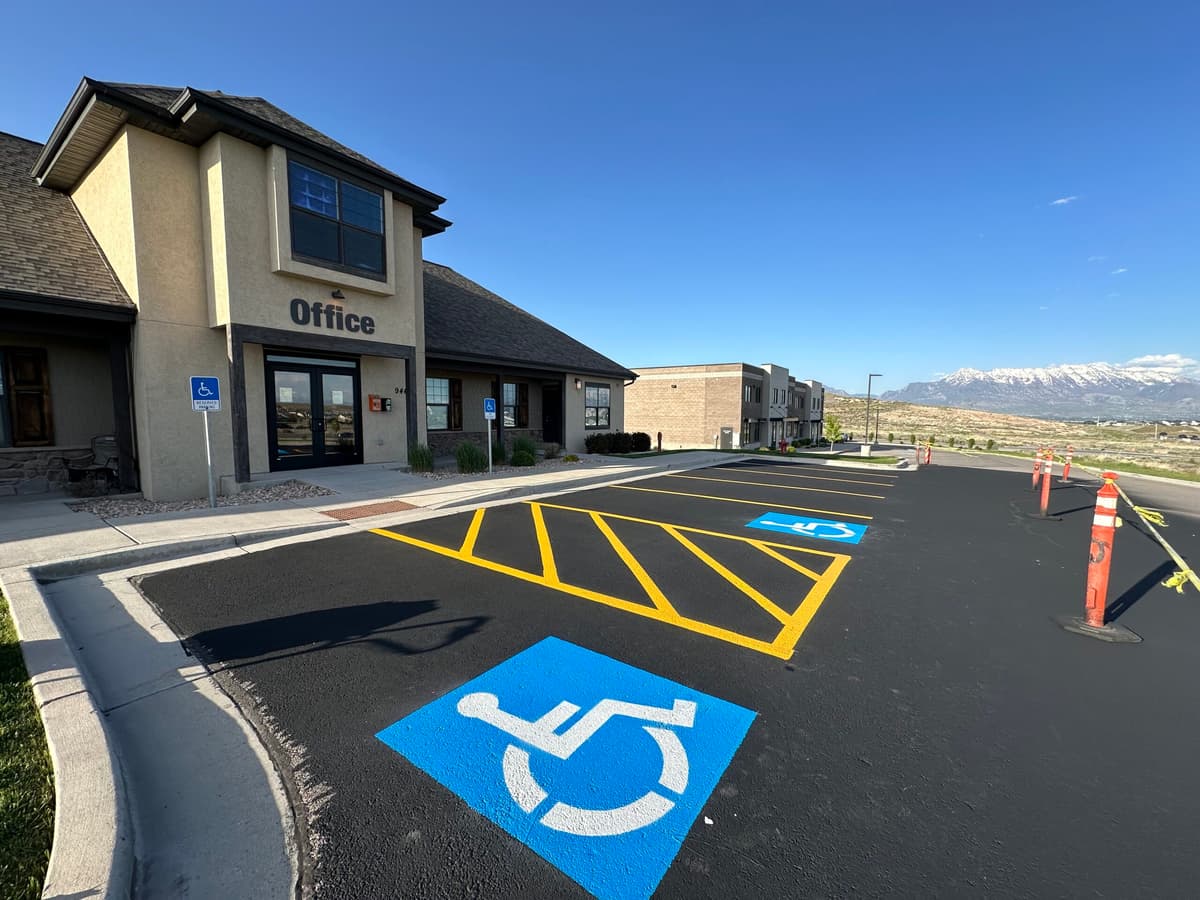
- Check ADA spaces and access aisles - are signs, markings, and ramps in compliance?
- Clear debris - sand, gravel, and salt residue left from winter operations
- Schedule crack sealing for any new cracks before they spread
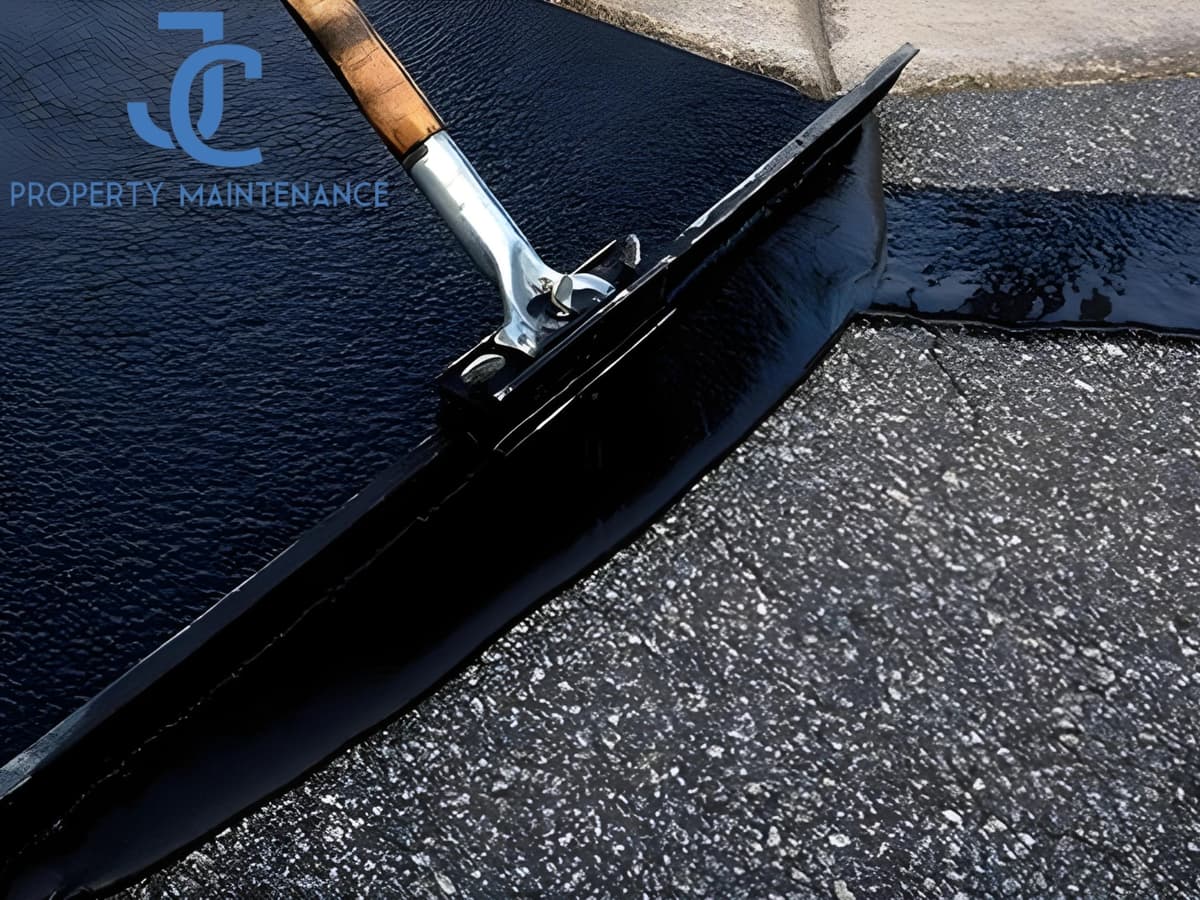
- Get a sealcoating quote if the lot is due (typically every 2-3 years)
Priority: Address any safety hazards (potholes, trip hazards, faded crosswalks) immediately.
Summer (June - August): Protection Season
Summer is when the major preventive work gets done. Warm, dry conditions are ideal for sealcoating, crack filling, and striping.
Summer Checklist:
- Sealcoat the lot if it is due (best conditions are June through September)
- Fill and seal cracks - this is the most cost-effective repair you can do
- Repaint striping and markings after sealcoating is complete
- Re-stencil ADA symbols, fire lanes, and directional arrows
- Repair or replace damaged signage
- Address any drainage issues identified in the spring inspection
- Patch potholes and failed areas before they grow
- Trim vegetation that is encroaching on the lot edges or blocking sightlines
Budget tip: Bundling sealcoating, crack filling, and striping into one project saves on mobilization costs and minimizes disruption to tenants or customers.
Fall (September - November): Preparation Season
Fall is your last chance to complete repairs before winter locks everything down. It is also the time to put your snow removal plan in place.
Fall Checklist:
- Complete any remaining crack sealing - this is critical before freeze-thaw begins
- Final sealcoating window closes in early October for most Utah locations
- Inspect and repair any trip hazards before snow covers them
- Confirm snow removal contract - make sure your service provider, scope, trigger depths, and pricing are all agreed upon in writing
- Identify snow storage areas that will not damage landscaping, block drainage, or create liability
- Stock or confirm salt and de-icer supply for walkways and entrances
- Mark curbs, islands, and obstacles with reflective stakes so plow operators can see them
- Test parking lot lighting - shorter days mean more dark-hour use
Do not skip the snow removal contract. Waiting until the first storm puts you at the mercy of whoever has availability, and pricing will be higher.
Winter (December - February): Monitoring Season
Winter is not the time for major repairs, but it is the time for active monitoring and response.
Winter Checklist:
- Monitor snow and ice conditions after every storm
- Ensure timely snow removal per your contract terms
- Check for ice formation in shaded areas, near downspouts, and at building entrances
- Document any new damage as it occurs (photos with dates for insurance or budgeting)
- Keep walkways and ADA routes clear - this is a legal and safety requirement
- Watch for plow damage to curbing, signage, and landscape features
- Track de-icer usage to manage costs and prevent over-application
ADA Compliance: Year-Round Responsibility
ADA compliance is not a once-a-year task. Property managers should be checking:
- Accessible parking spaces have correct dimensions, signage, and access aisles
- Slopes and cross-slopes in accessible routes meet requirements (max 2% cross-slope)
- Curb ramps are in good condition and have detectable warning surfaces
- Accessible route from parking to entrance is clear of obstructions, ice, and debris at all times
- Signage is at the correct height and includes the International Symbol of Accessibility
Non-compliance can result in complaints, lawsuits, and fines. Regular checks are far cheaper than legal costs.
Budgeting Tips for Property Managers
Plan for Annual Costs
A reasonable annual maintenance budget for a commercial parking lot in Utah is $0.10 to $0.25 per square foot, depending on the lot's age and condition. This covers routine crack sealing, periodic sealcoating, striping touch-ups, and minor repairs.
Track and Document Everything
Keep a maintenance log with dates, costs, and photos. This helps with:
- Budget forecasting for the next fiscal year
- Insurance claims if damage occurs
- Demonstrating due diligence for liability protection
- Planning capital expenditures (overlay or repaving) years in advance
Prioritize Preventive Over Reactive
Every dollar spent on crack sealing and sealcoating saves multiple dollars in future patching and repaving. The math consistently favors prevention.
Need help building a maintenance plan for your commercial parking lot? JC Property Maintenance works with property managers throughout the Salt Lake Valley and Wasatch Front. Call (801) 406-3543 or email office@jcpropertymaintenance.net for a free property assessment.