Why Timing Matters for Sealcoating
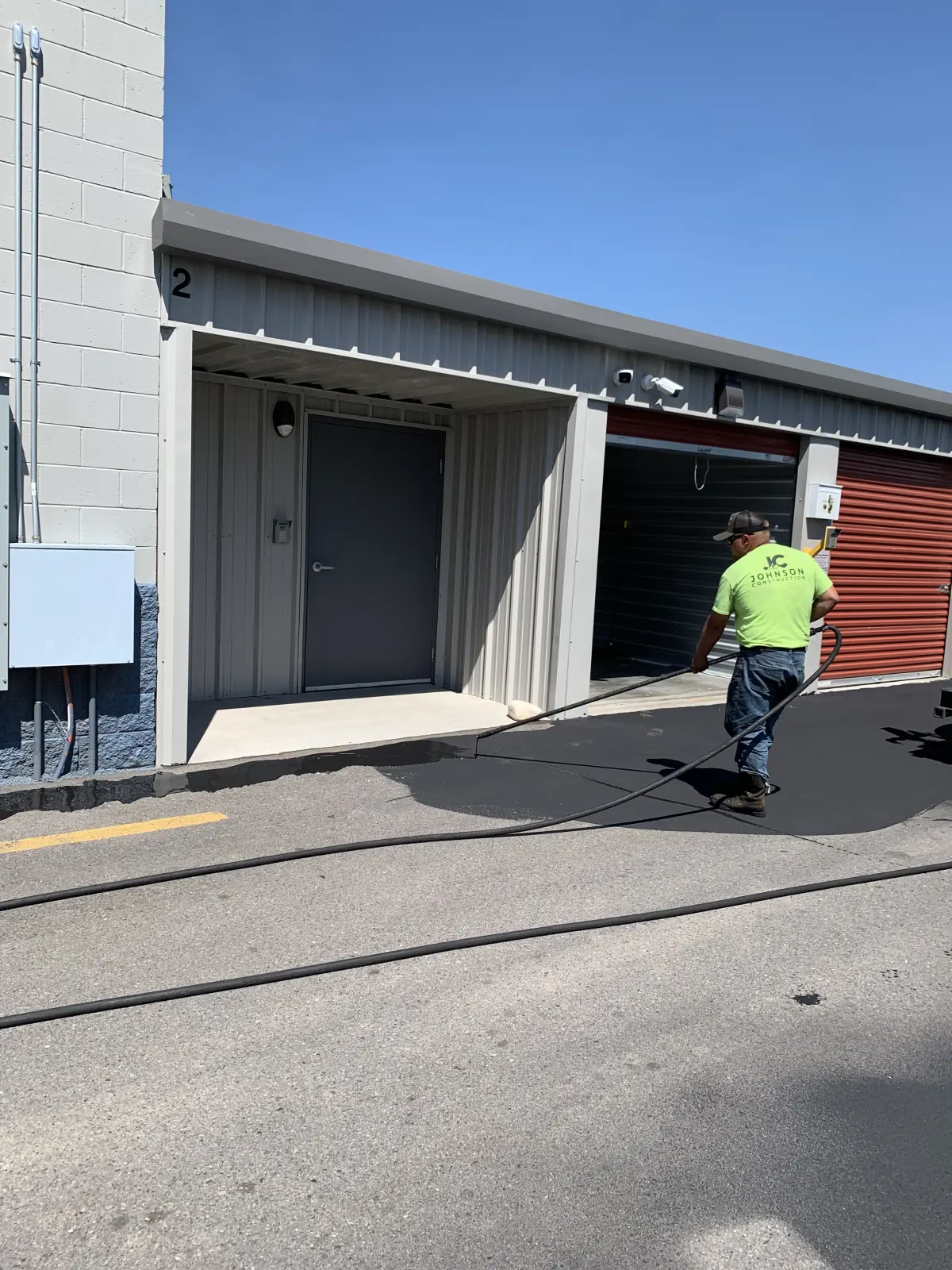
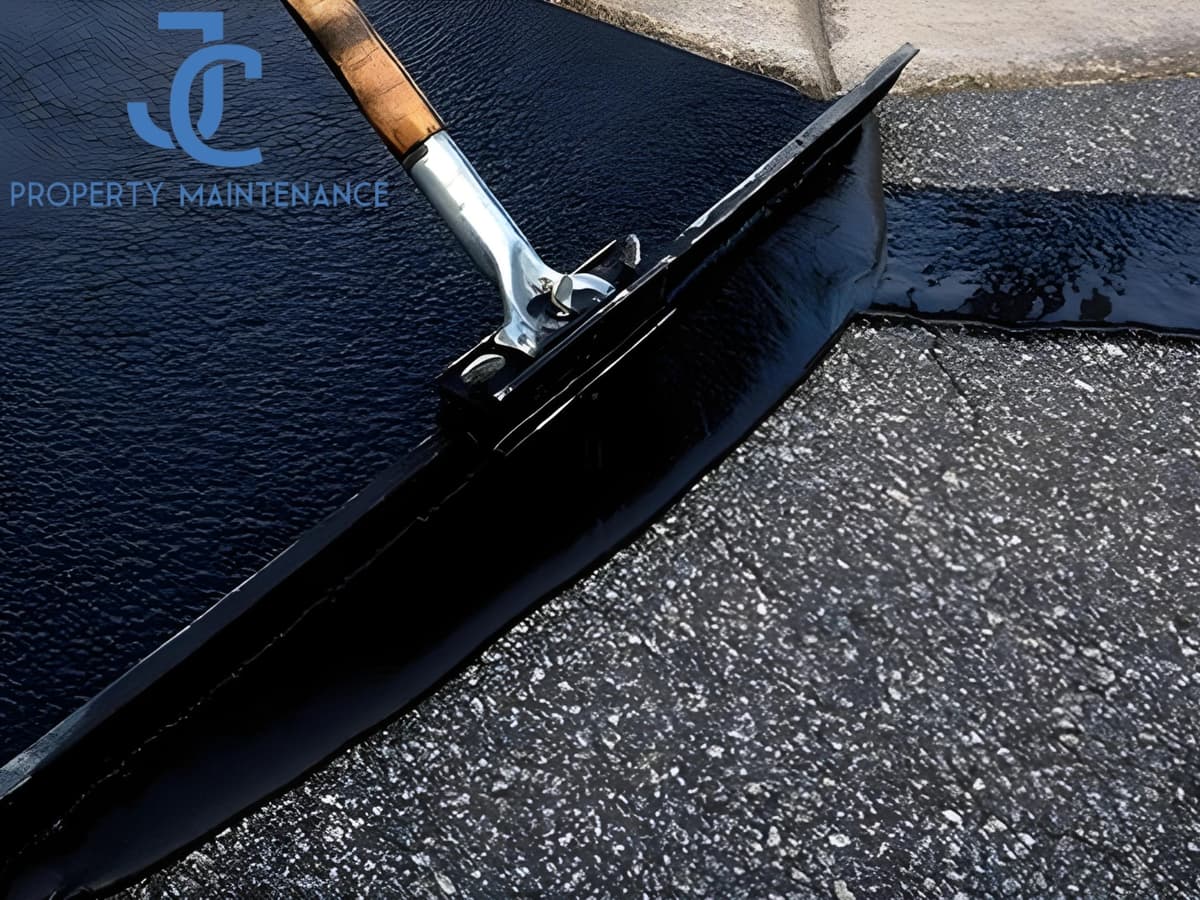
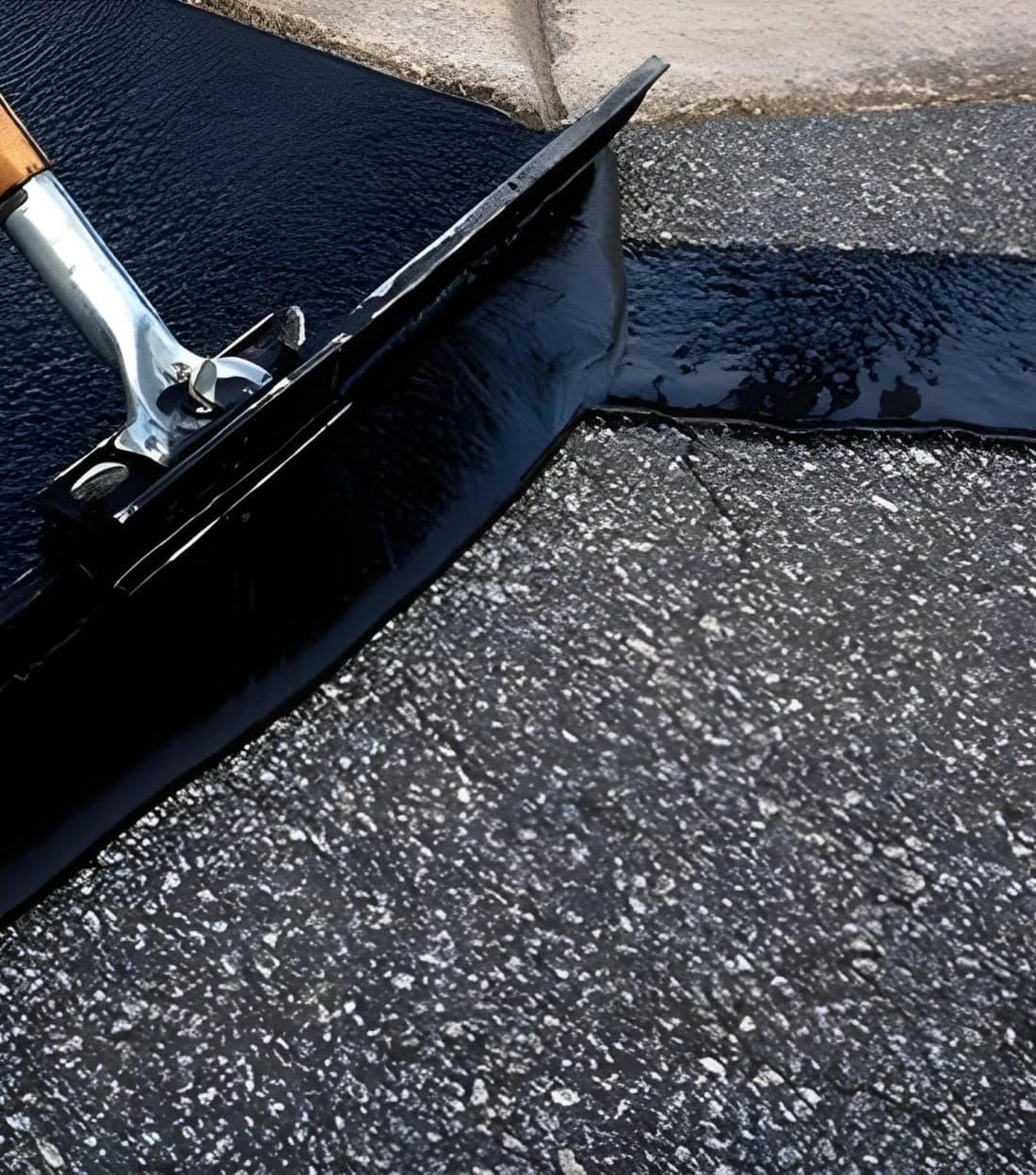
Sealcoating is not a year-round service in Utah. The material needs specific temperature and weather conditions to bond properly and cure into a durable protective layer. Apply it at the wrong time, and you are wasting money on a coating that will peel, crack, or fail within months.
Here is what you need to know about scheduling sealcoating for your commercial property or storage facility.
The Ideal Temperature Range
Sealcoat material requires air temperatures of 50°F to 85°F for proper application and curing. The surface temperature of the asphalt matters too, and pavement is often 10-20 degrees warmer than the air on a sunny day.
- Below 50°F: The sealer will not cure properly and can remain tacky or soft
- 50°F to 70°F: Good conditions, especially with direct sunlight
- 70°F to 85°F: Ideal range for fastest, most complete curing
- Above 90°F: The sealer can dry too quickly on the surface before bonding fully to the asphalt
Utah's Sealcoating Season: May Through October
Based on typical weather patterns along the Wasatch Front and Salt Lake Valley, the practical sealcoating season runs from mid-May through early October. Within that window, the sweet spot is June through September.
Here is a month-by-month breakdown:
- May: Possible but risky. Overnight temps can still dip below 50°F, and spring rain is common. Schedule for the second half of the month if needed.
- June: Excellent conditions. Warm days, low humidity, and long daylight hours make this one of the best months.
- July and August: Prime season. Consistently warm temperatures mean fast curing. However, afternoon thunderstorms can be a factor, so morning application is often preferred.
- September: Still very good. Temperatures start cooling toward month-end, but most days are well within range.
- October: Risky, similar to May. Early October can work, but by mid-month, overnight temperatures along the Wasatch Front regularly drop below 50°F.
Morning vs. Afternoon Application
For Utah properties, morning application is generally preferred during the peak summer months. Here is why:
- The crew can take advantage of rising temperatures throughout the day
- The sealer has maximum daylight hours to cure before overnight cooling
- Afternoon thunderstorms (common July through August) are less likely to disrupt a morning start
For properties in the valley floor, afternoon application can work well in June and September when thunderstorm risk is lower.
Elevation Considerations
Utah properties vary significantly in elevation, and that matters for sealcoating timing:
- Valley floor (4,200 - 4,500 ft): Longest season, roughly mid-May through early October
- Bench areas (4,800 - 5,500 ft): Slightly shorter season, late May through late September
- Mountain communities (6,000+ ft): June through early September is the reliable window
If your property sits at a higher elevation, plan to schedule earlier in the summer to avoid being caught by early fall cold snaps.
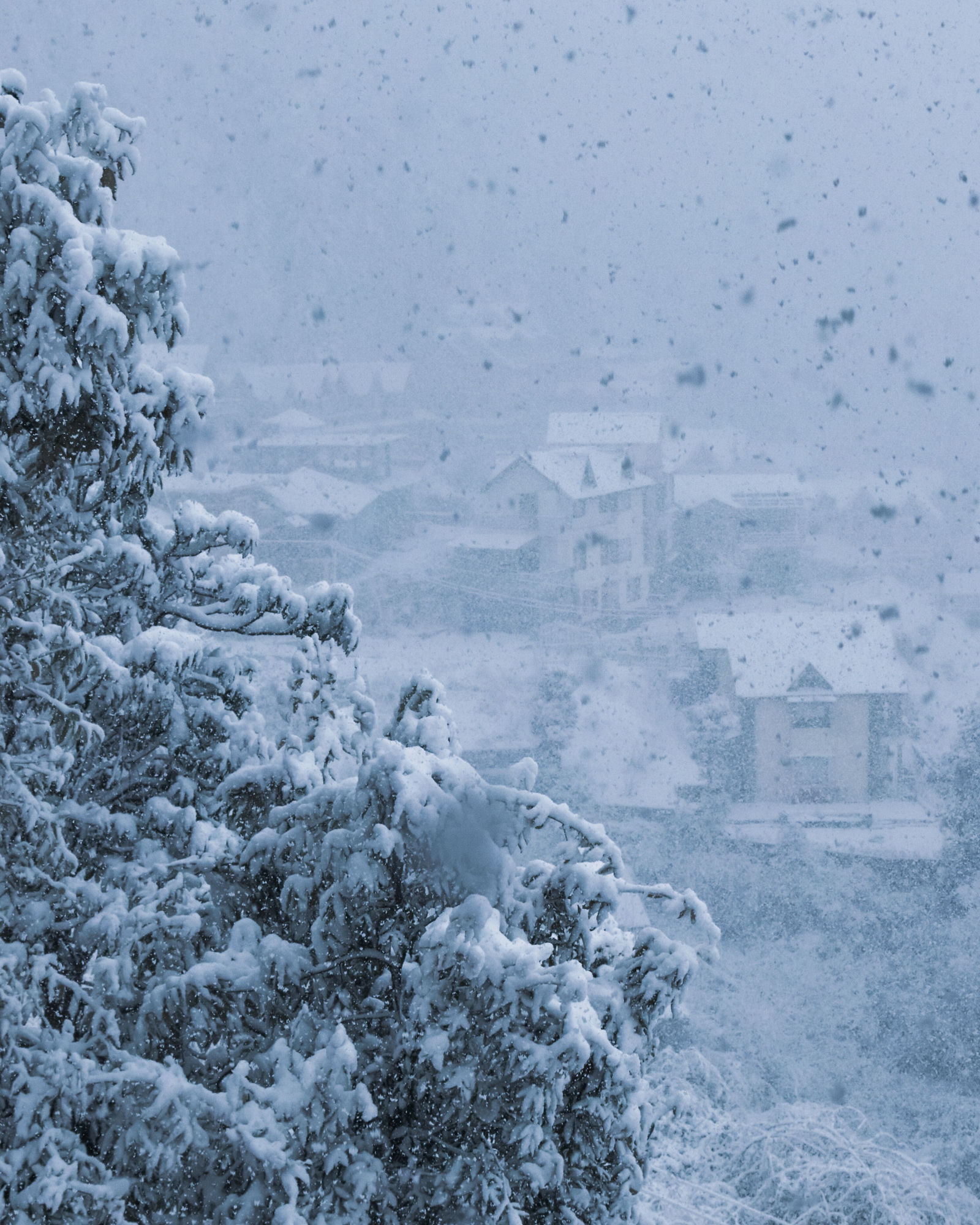
Avoid Sealcoating Before a Freeze
This is the most critical timing rule: sealcoat needs at least 24 to 48 hours of warm, dry conditions after application to cure fully. If temperatures drop below freezing before the sealer has cured, the coating can fail.
Always check the extended forecast before scheduling. A warm day followed by a cold night is not enough. You need sustained warmth for the full curing period.
Planning Ahead
The best time to schedule your sealcoating appointment is early spring, even though the work will not happen until summer. Professional crews book up quickly during peak season, and properties that plan ahead get priority scheduling and often better pricing.
Ready to schedule sealcoating for your commercial property? JC Property Maintenance serves the Salt Lake Valley and Wasatch Front with professional sealcoating services timed for optimal results. Call (801) 406-3543 or email office@jcpropertymaintenance.net to get on the schedule.